 Joey Lancia
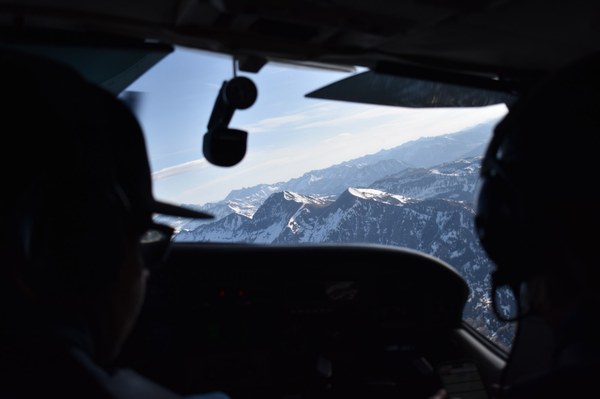
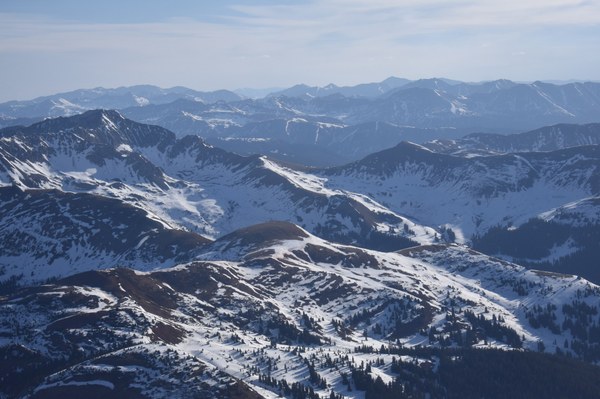
On Monday, March 30, I joined EcoFlight, Winter Wildlands Alliance, and other conservation stakeholders on a flight around the Upper Gunnison River Basin to observe recreation use and the snowpack from above. Originally, this blog post was going to include a brief article detailing the flight I went on, the goal of the flight, and a handful of photos I took from the sky. But once I started writing, I began to reflect more on our purpose for being in the air. Discussing how Coloradans can sustainably recreate on snow is an important conversation that will never end. And having that conversation during a winter where recreation has been significantly limited by a historic lack of snow is even more important right now. After writing a few different versions of this blog post, I decided I wanted to go beyond the flight itself. I will go into further detail on the goals of the flight in regard to recreation use, and I will also include data on the state of the snowpack that we observed from the air. And of course, I’ll share my photos.
Cheers,
Joey Lancia, CMC Conservation Coordinator
In Colorado, winter recreation can be seen as fundamental to the state’s identity and character. While snowsports struggle in accessibility and affordability, the culture that surrounds them is something that brings people here. In numbers, snow activities in Colorado (i.e. skiing, snowboarding, snowshoeing, etc.) contributed $1.5 billion to the economy in 2024—20% of what those activities generated nationwide. But aside from the economics of snowsports, whether it is the cost to operate a ski area, the money one may bring in, or the cost of renting a snowmobile, there is one thing that Colorado relies on the most for winter recreation to happen. The answer is obvious: snow.
As Colorado and the entire mountain west comes to the end of a historically warm and dry snow season, I have found myself reflecting on sustainable winter outdoor recreation and how to ensure that can be proliferated. Popular winter recreation amenities, like ski resorts, are inherently extractive and unsustainable as they rely heavily on fuel, water, and other resources to operate. Ski resorts might provide the lowest-effort access to getting on the snow (once you remove the cost of a lift ticket, a potential drive on I-70, and painfully stuffing your foot into a ski boot), but participating in backcountry snowsports leaves a lesser footprint on the environment.
It is not new news that backcountry snowsports have exploded in recent years. It is why CMC runs its annual Snow Rangers program to help educate winter recreation users in backcountry environments. It goes without saying as with the rest of the winter recreation industry, but to participate in backcountry snowsports is a privilege. And with privilege comes responsibility. Among these responsibilities is knowing where to and where to not go in the backcountry. Of course, this includes travel through potential avalanche terrain as well as where to not park your car at a trailhead. But also knowing where you are allowed to travel based on your recreation activity is imperative.
Specific areas, including designated Wilderness areas, can and do restrict use of mechanized equipment and/or motorized use year-round. One of the biggest struggles for land management agencies during winter is ensuring that snowmobile users respect these boundaries. Gathering data on where users do and do not go can be difficult too. In 2005, the Travel Management Rule was passed, requiring the United States Forest Service to publish maps outlining where motorized use is and is not allowed on their lands; however, it did not originally include over-snow modes of transportation. Until around 2015 the understanding of winter lands was that they were open for all use unless strictly posted as otherwise. Efforts to create Winter Travel Plans have been occurring but take multitudes of work to develop. Organizations come together to look at landscapes and determine how these plans can and will affect winter recreation once published. I joined a group of stakeholders on March 30th to look at the landscape of the Upper Gunnison River Basin—surrounded by the Gunnison National Forest—to gather a shared perspective of how a Winter Travel Plan could look in the area. And we had the opportunity to see the landscape from a unique perspective: the air.
While I was at the Backcountry Snowsports Initiative Hut Trip (hosted by CMC, Winter Wildlands Alliance (WWA), and the 10th Mountain Division Hut Association) earlier in March, I learned a lot about Travel Management policy and process. Brittany Leffel of WWA invited me to join an EcoFlight in Gunnison to discuss Travel Management in the region. EcoFlight is a nonprofit organization in Aspen whose mission is to “provide the aerial perspective to educate and advocate for our remaining wildlands, watersheds, and culturally important landscapes.” By taking stakeholders into the air, EcoFlight inspires new perspectives and viewpoints to help reach conservation and environmental justice goals. I was especially excited to be invited on this flight as I have had the pleasure of calling the Gunnison Valley home for the better of the past two years. I moved to the valley in 2024 to join CMC’s Stewardship Trail Crew and have the privilege to continue to work for CMC and live here since. I was thrilled to have the opportunity to see the places I recreate daily from above and to discuss how to further protect them.
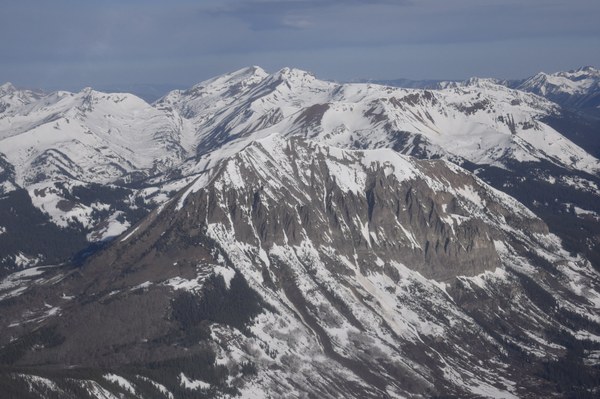
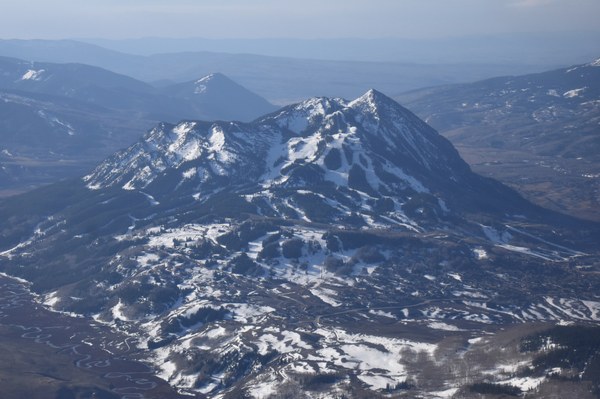
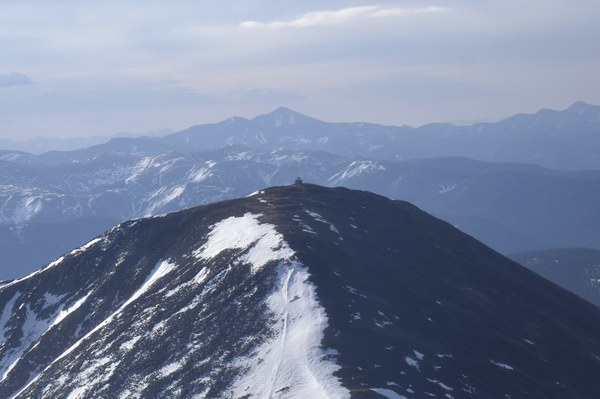
The flight itself was incredible. I had never been in a non-commercial plane before and climbing into the six-seater Cessna 210 was surreal. Sitting directly behind the pilot I practically had a 360-degree view out of the plane, and my finger was glued to the shutter button of my camera the entire time. Our flight path was a clockwise circumnavigation of the Upper Gunnison River Basin. Notable landmarks included Hartman Rocks, Mill Creek, the Castles, the Anthracite Range, East/West Beckwith Mountain, the Ruby Range, Scarp Ridge, Yule Pass, Schofield Pass, Gothic, Maroon Peak, Crested Butte Mountain Resort, Star Pass, Taylor Reservoir, Cottonwood Pass, the Fossil Ridge Wilderness, and more. Seeing these places from above was incredibly special and recognizing the places I have been on the ground had an immense cool factor too.
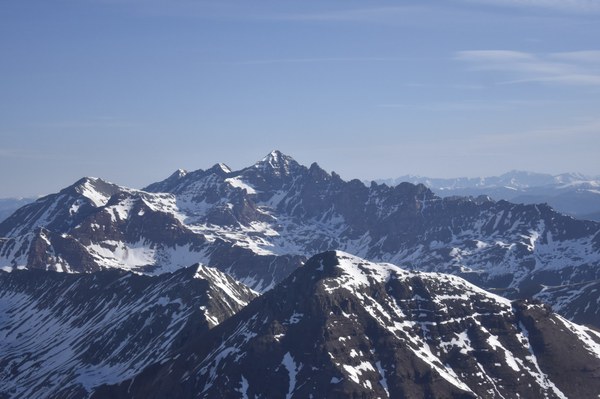
While on the plane one of our main goals in regard to Travel Management was to look for snowmobile tracks and note if they were in areas they should be or not. Seeing where tracks are and are not helps to gather data on where people recreate in different ways, as well as if Wilderness or other restrictive boundaries are being respected. This flight occurred last year around the same time, providing a year-to-year comparison. While I was not on the flight a year ago, my understanding was that it looked very different. Last year, plenty of snowmobile and other recreation user tracks were spotted, including some in places they should not be. But this year tracks were only spotted in a few areas and many places where tracks may have been a year ago were bare. Our conversation in the plane mainly focused on the state of the snowpack and how surprising it was how few tracks there were to find.
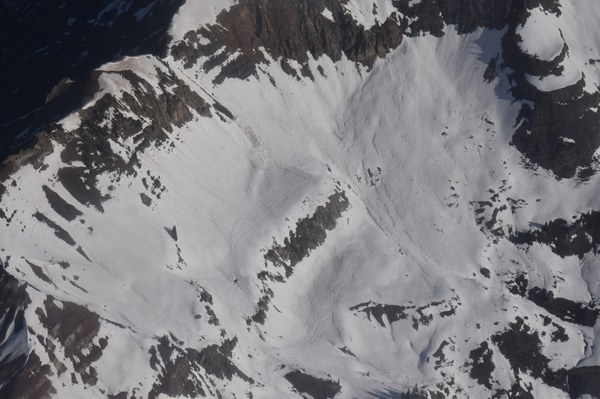
As of April 3, 2026 (which all the following data is based on), reporting sites in the entire Gunnison River Basin (GRB) were averaging under 20% of their median snow water equivalent (SWE) for that date. For reference, SWE measures the water content of snow by its weight. The common ratio for SWE is 10:1, or 1” of rain equal to 10” of snow. SWE numbers here are from an exact calculation, not necessarily the 10:1 ratio. In the entire GRB, the SNOTEL (Snow Telemetry) recording site with the highest snow water equivalent was Park Reservoir on Grand Mesa at 50% of its median. Meaning that the entire GRB, which feeds the second largest tributary to the Colorado River, contains, at best, only half of its median snowpack for the time of year. And at its lowest, well, Cochetopa Pass recorded 0% of its median snow water equivalent on April 3. These numbers also come after an April Fools storm from April 1-2 dropped up to 17”-27” of snow in the Upper Gunnison River Basin (UGRB) according to the Crested Butte Avalanche Center. Schofield Pass in the UGRB had the highest SWE total in the greater GRB at 13.9” and had the second highest percentage of its median at 46%. Schofield Pass was one of the landmarks that I got to fly over, and it was shockingly dry on March 30. In 2026, the pass recorded its estimated peak total snowpack on March 10, 39 days before its median peak date on April 18. The April Fools storm dropped 2.6” SWE in that location, so fortunately, it should have had a lot more snow just a few days after I saw it from above.
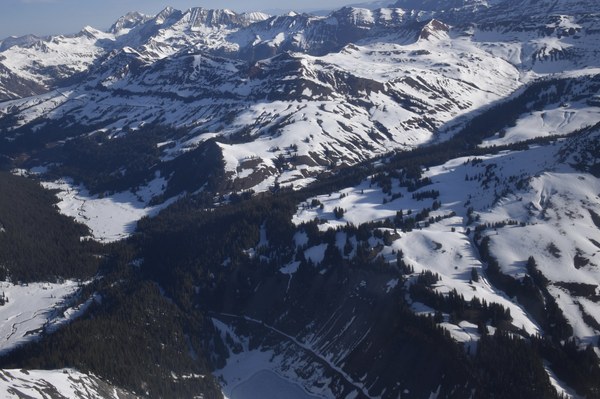
While this recent storm was a welcome addition to our rapidly melting snowpack, we cannot glaze over the fact that the GRB was averaging under 20% of its expected snowpack on April 3. Of all the SNOTEL sites in Colorado, Never Summer in Jackson County had the highest percentage of its median for April 3 at 65%. So, the site that had the snowpack closest to where it should be in the entire state was only about two thirds of that average. We all can and should hope that this winter’s weather was an anomaly. Its low snow may be attributed to greater weather systems in the Pacific, but it is impossible to ignore the likelihood of climate change and global warming playing a role. billy barr (yes, no capitals), has lived in Gothic, Colorado outside Crested Butte for 54 years, the site of the Rocky Mountain Biological Laboratory. He has been recording weather data there for the past 52 years. According to his notes, every winter in Gothic should average four records whether they are daily snowfall, high temperature, snow depth, etc. According to an article in the Crested Butte News published on December 30, 2025, there had already been 12 record daily high temperatures this winter, 10 of them within a two-week stretch in December. In addition to high temperature records, Christmas Day was the first time barr ever recorded rain in the month of December. According to a Colorado Sun article from March 15, 2026, barr had recorded 28 record daily highs up to that point in the winter. And that was days before an unprecedented heat wave brought many more heat records to the region, with Crested Butte topping at 68°, smashing its 58° daily heat record for the month of March. According to 9News meteorologist Chris Bianchi, Denver recorded seven days at or above 80° in the month of March between 1972 and 2025. March 2026 had eight days at or above 80° in the city. As stated, we all hope this year was purely an anomaly. But the frequency of record high temperatures far exceeding the expected amount on top of a low snow total demands attention and is evident of climate change.
The question I was thinking in the air and after we landed was “how can we have sustainable winter recreation when the snow needed to support it does not seem sustainable?” We saw significant amounts of Forest land without snow that should be blanketed and miles of dirt roads that should be defined by snowmobile tracks. The focus of Travel Management planning must include where people are allowed to recreate but also consider places where over-snow recreation is possible. As Colorado warms, snow seasons will be shorter. This season’s lack of precipitation might be less of a trend than rising temperatures going forward, but it shows a glimpse of a possible warm future in Colorado. Publishing a Winter Travel Management Plan will help to outline how to best use our Forest lands. Do we have the answers for slowing down global warming? It’s hard to say. But we do have the ability to work with what we have and develop plans for more sustainable use of our natural landscape. Protecting public lands is one of the best opportunities to fight climate change in the United States. The Forest Service Manages over 11 million acres of land in Colorado. Protecting it from abuse, whether that be from recreation users, extractive activities/business, land sales, or more, can only help fight warming climates. Responsibly and sustainably recreating on public lands in Colorado is essential to who we are as a state, and we cannot ignore that our winter recreation opportunities might be in danger.
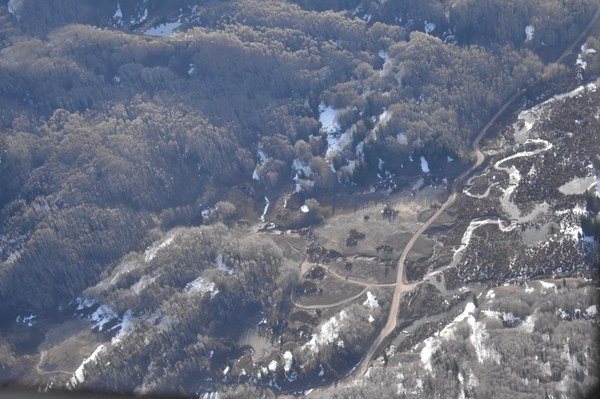
While I was up in the air, I got the chance to reflect on how special these public lands are. Whether I was looking at land managed by the US Forest Service, Bureau of Land Management, National Park Service, or the local Crested Butte Land Trust, I found myself thinking about how unique and lucky we are to benefit from public land in Colorado. Between the Department of the Interior and the Department of Agriculture there are over 20 million acres of federally managed public land in Colorado. And that does not include millions of acres managed by the state, or private land open for public use managed by land trusts and other groups. In our state, we have endless amounts of public trails, backcountry ski zones, dirt roads, climbing areas, and so many other places for recreation opportunities. To ensure we always keep these places, we must develop strategies to further protect and manage them for sustainable use. It takes lots of time and work to develop these plans and to make and meet conservation goals. But gathering our best understanding of our state’s wild places is important to planning, as well as our own relationships to said places. And that is why I went on this EcoFlight, to get a better understanding of my local area and how it can be best managed. And that led to a deeper appreciation and reflection for what allows public lands recreation and how to best sustain that, especially in winter.
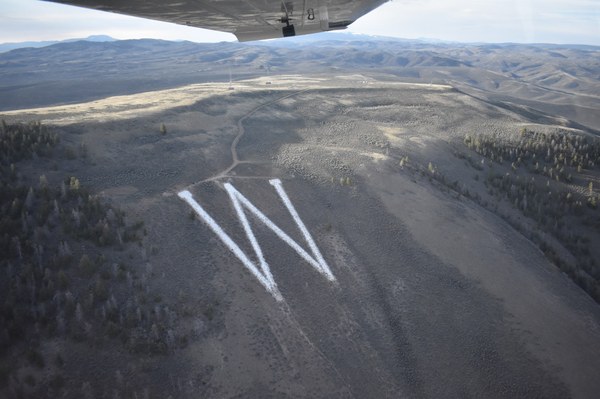
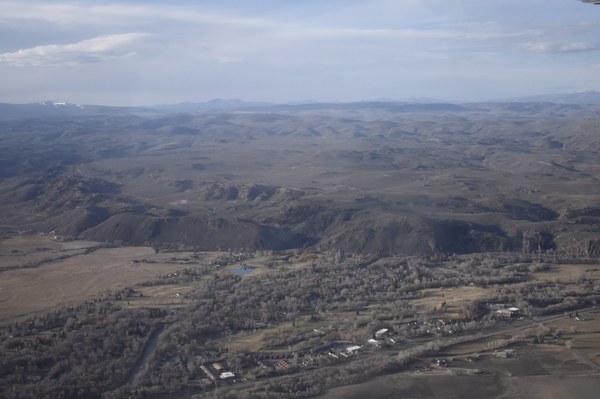
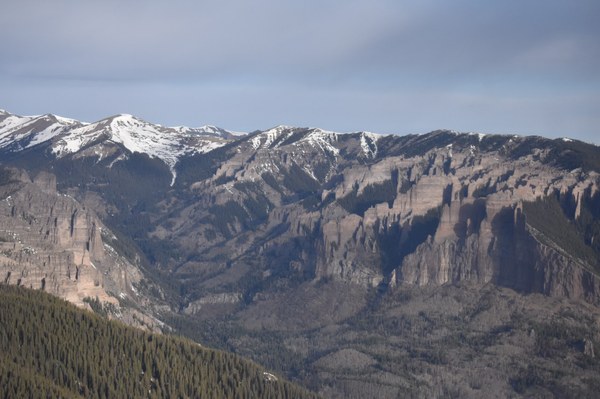
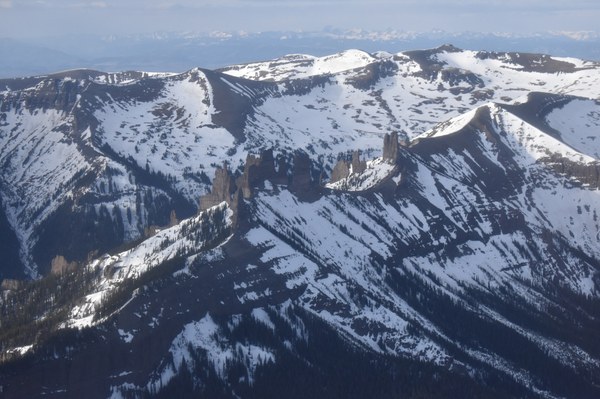
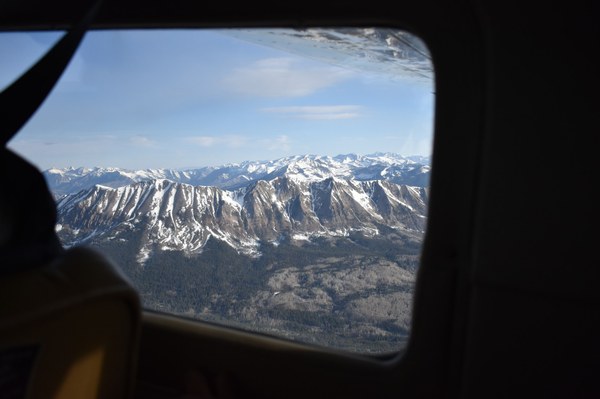
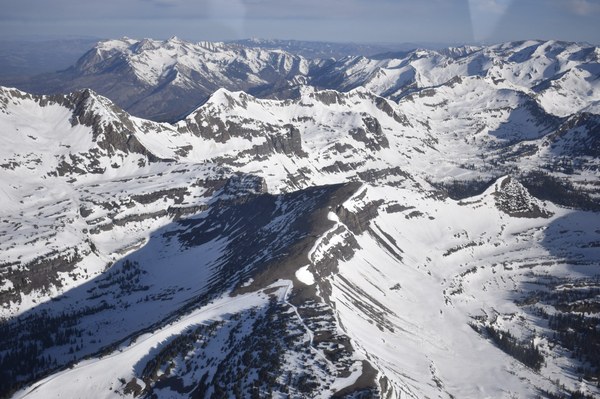
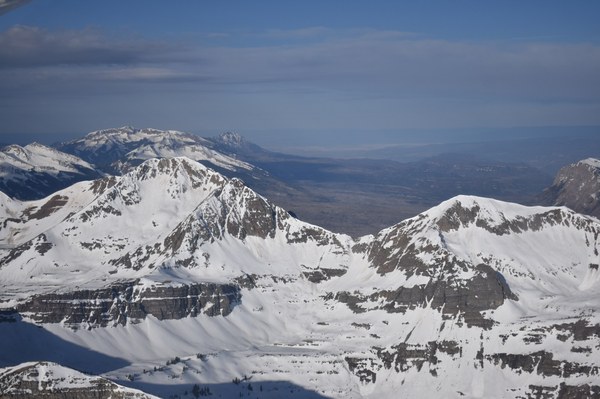
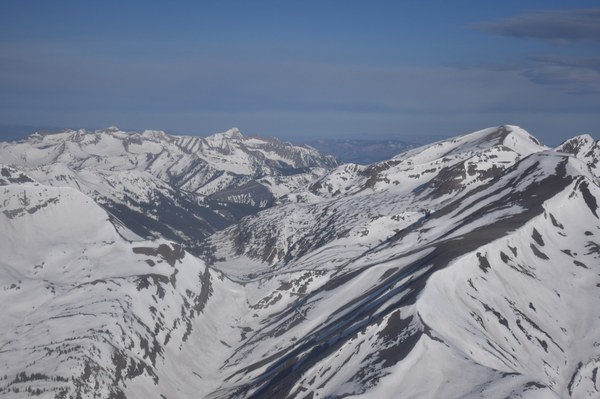
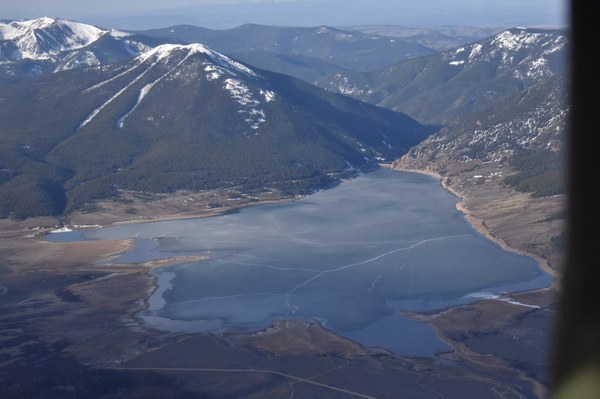
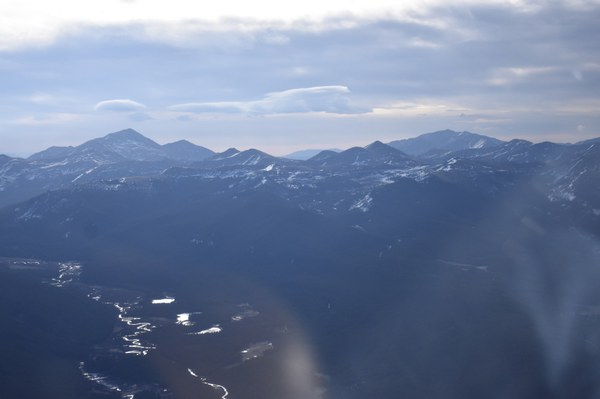
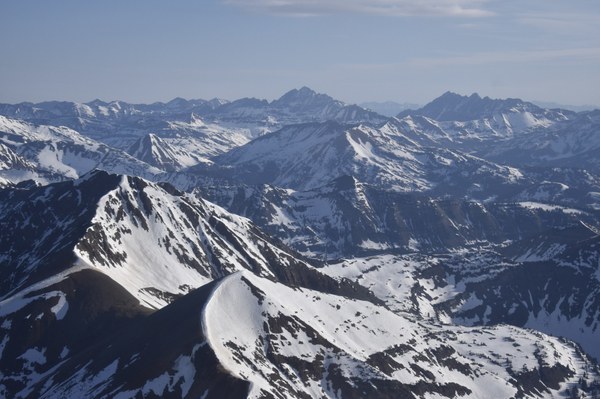
Cottonwood Pass center-right. Mount Yale (left) and Mount Princeton (right) rise in the distance.
Add a comment
Log in to add comments.