 Kelsie Turner
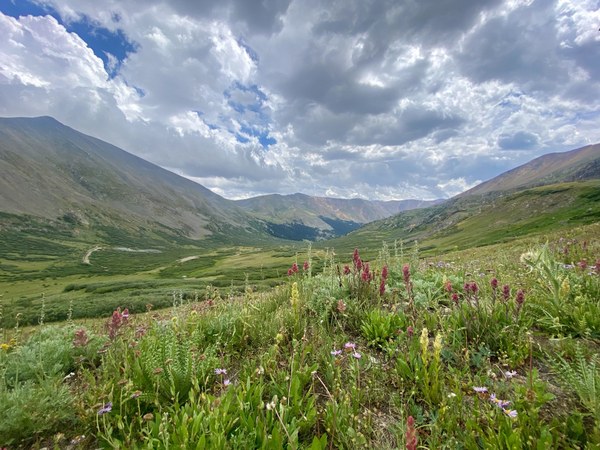
Our hearts are with everyone currently impacted by wildfires. These events affect not only people and communities, but also the wildlife, forests, trails, watersheds, and public lands we all care about. As wildfire activity increases during fire season, every outdoor recreationist has a responsibility to stay informed and be prepared before heading outside.
Whether you're hiking, climbing, backpacking, paddling, or simply exploring your favorite trail, taking a few extra minutes to prepare can make a significant difference.
Before You Leave Home
Preparation begins long before you step onto the trail. Before every outing:
- Check the weather forecast and current wildfire activity.
- Review any fire restrictions or trail closures.
- Share your itinerary with someone you trust.
- Create a communication and evacuation plan.
- Identify potential safety areas along your route, such as alpine tundra, rocky talus fields, meadows, or previously burned areas where vegetation is limited.
If You Encounter a Wildfire
If you see smoke or flames, your priority is your personal safety.
- Do not attempt to fight the fire.
- Evacuate immediately and notify emergency services if you can safely do so.
- Move away from the fire while paying close attention to wind direction.
- Avoid traveling downwind of the fire or moving uphill directly above it.
- Stay at the same elevation whenever possible rather than climbing steep slopes.
- Avoid saddles, chimneys, gullies, and other terrain features that can funnel fire and smoke.
- Stay away from light fuels, such as dried grasses, which can ignite and spread fire quickly.
- Watch for airborne embers and burning material that may roll downhill.
- If you reach a relatively safe area, stay low and breathe as close to the ground as possible where smoke may be less concentrated.
Know What Safer Terrain Looks Like
If evacuation becomes necessary, areas with little vegetation generally present less wildfire fuel. Examples include:
- Alpine tundra
- Talus fields
- Large rocky outcrops
- Previously burned areas with limited vegetation
If evacuation becomes necessary, look for areas with little vegetation or other combustible fuel. Examples include:
- Alpine tundra
- Talus fields
- Large rocky outcrops
- Previously burned areas with limited vegetation
Avoid areas with abundant dry grasses, brush, or other light fuels, which can ignite and spread fire quickly.
It's also important to know that lakes, rivers, and streams may seem like safe places to shelter, but they do not always provide adequate protection from wildfire. Radiant heat, changing wind conditions, and fast-moving fire can still create dangerous situations.
Don't Forget About Smoke
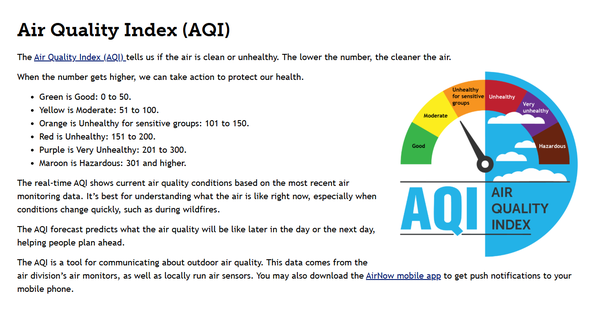
Even if a wildfire is many miles away, smoke can still create hazardous conditions.
Poor air quality can reduce visibility, make strenuous activity dangerous, and affect anyone, especially those with asthma, heart disease, or other respiratory conditions.
If you carry a two-way satellite communication device, some services can provide wildfire and air quality information within approximately 50 miles of your location—even when cell service isn't available. Receiving updates while in the backcountry can help you make informed decisions before conditions worsen.
Helpful Resources
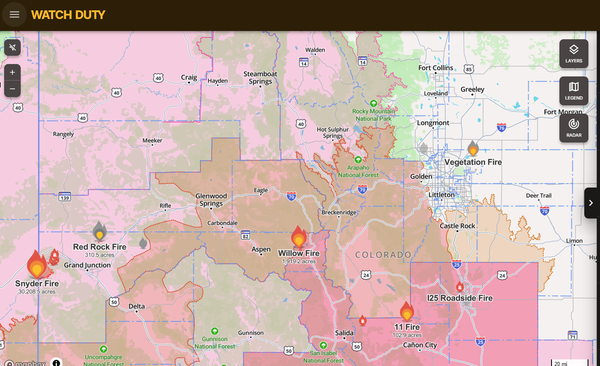
- Watch Duty: https://app.watchduty.org/i/101965
- AirNow (Air Quality): https://www.airnow.gov/
- InciWeb (Wildfire Information): https://inciweb.wildfire.gov/
-
Colorado Fire Restrictions (DFPC): Fire Restriction Information (Colorado DFPC)
Preventing Wildfires While Recreating
Most wildfires are human-caused and preventable. When spending time outdoors, small actions matter.
- Always follow posted fire restrictions and closures.
- Never leave a campfire unattended, and ensure it is fully extinguished and cold before leaving.
- Avoid open flames during high fire danger conditions.
- Be cautious with equipment or activities that may create sparks.
- Properly dispose of all waste—never leave glass, trash, or smoldering materials behind.
- Stay aware of conditions and adjust plans when fire danger is elevated.
Protecting the outdoors also means helping prevent the next wildfire before it starts.
The Best Decision May Be to Change Your Plans
One of the most important outdoor skills is knowing when to turn around.
Wildfire conditions can change rapidly due to shifting winds, dry vegetation, and weather. If conditions become unsafe, choosing a different destination—or postponing your trip altogether—is never a failure. It's good judgment.
By planning ahead, staying informed, and making thoughtful decisions, we can help protect ourselves while respecting the landscapes and wildlife that make outdoor recreation so special.
Stay informed. Stay prepared. Stay safe.
Add a comment
Log in to add comments.